

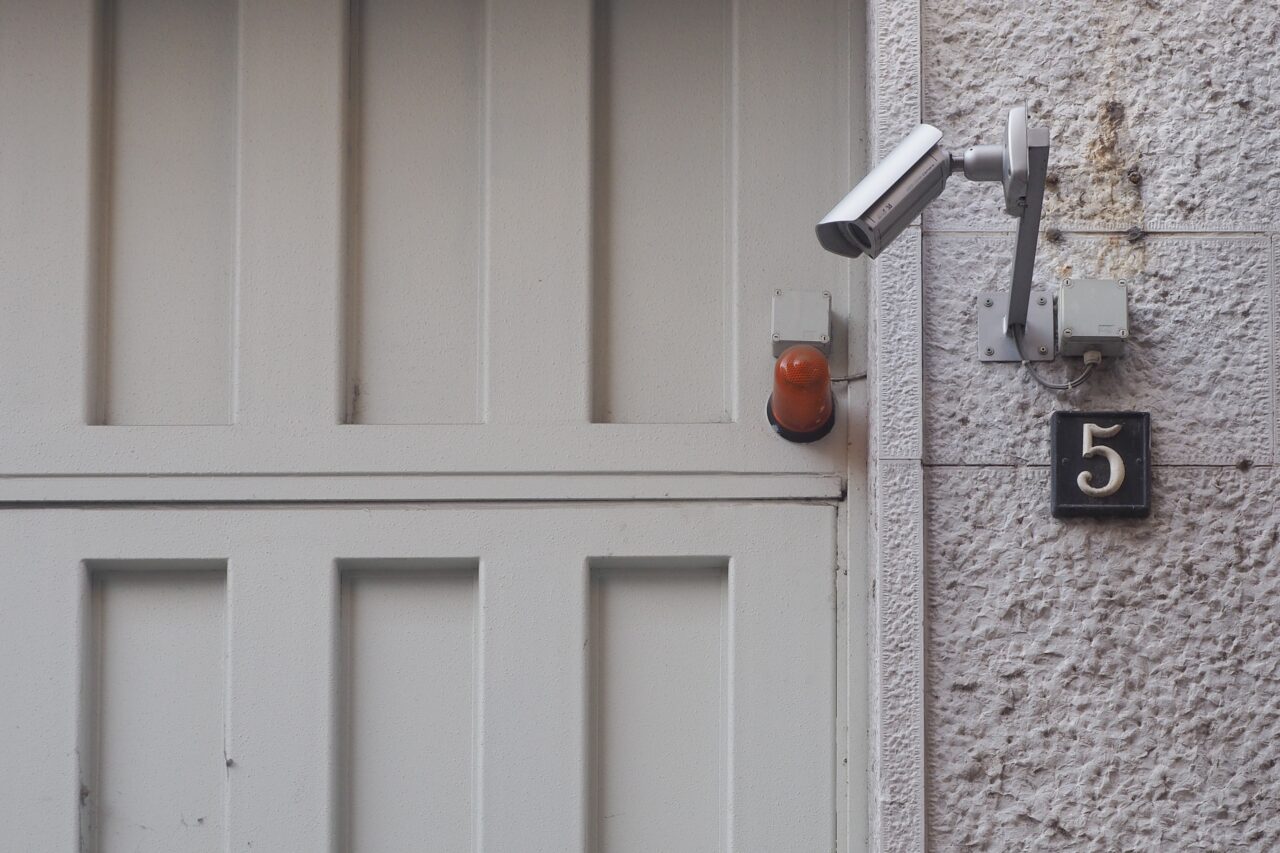
Domestic CCTV Systems
Get Special Offers Now for Locksmith Services Call Us Now at 02081458426
The employment of video cameras, like surveillance systems or clever doorbell gadgets, to gather ocular or auditory files outside a user’s area borders does not represent a breach of information protection rules. It is recommended that people spot their surveillance cameras to prevent concentrating on nearby homes, gardens, shared spaces, or public roads. However, achieving this arrangement might not constantly be possible.
Those who glimpse sights and noises from grounds not their own must ponder how greatly they disturb others. They would do well to shift their focus elsewhere or perhaps apply shields or methods letting folks keep to themselves. When this happens, sticking to instructions in the laws guarding information is necessary, even if following those directives can prove troublesome.
What can I do if I am unhappy about someone using domestic CCTV to record me?
Most of the time, we advise starting a conversation with whoever is doing the capturing.
The following stages are advised:
Commence communication: Make direct contact with the individual. If privately discussing the issue causes unease, contemplate composing a written message.
Consider inquiring about why the cameras are there. Home security systems and clever doorbells frequently aim to guard possessions and guarantee safety. Understanding their goals may ease your worries. It may be achievable to agree that both sides can view the recordings, profiting the two of you from their protecting abilities.
The person operating the security cameras may not grasp why you feel uncomfortable about the recording. Should you explain your worries, there exists a prospect that they could relocate the devices to alleviate your anxieties.
The video taken by the device may not be as intrusive as one could think. Looking at a piece of the documented material may potentially ease your worries.
What can I do if someone is recording my children using CCTV?
In most situations, it is advisable to initiate a conversation with the individual responsible for the recording. This person probably has valid reasons for using CCTV. You should adhere to the instructions provided in our guidance on how to approach them and what questions to pose.
Should you suspect that the person is capturing footage of your child inappropriately or with malicious intent, it is recommended to contact the authorities, specifically the police.
What can I do if I have a dispute with my neighbour about their CCTV recording me?
If issues persist with the individual next door, we advise sticking to directives established by authorities to work through and resolve the situation. The directions detail the ensuing actions:
Try to solve the matter through a relaxed discussion with the individual nearby initially. Confer with the other party and check whether an understanding can be reached without formal measures.
If the person living next door rents their home, you may want to contact the property owner for help.
Seeking solutions through an impartial third party may help if direct talks have not resolved issues. Productive discussions may occur with the guidance of an outside service experienced in moderating exchanges between disputing sides.
If your neighbour partakes in brutal actions or provocation that infringes upon rules, it is sensible to notify the authorities.
It is improbable that using closed-circuit television for documenting objectives would be considered troublesome conduct by the authorities except if the individual involved exhibited extra improper behaviours.
Pursuing judicial solutions as a final choice: As an ultimate alternative, you can look for lawful solutions by searching for remedies through the legal process.
What are the rules about domestic CCTV?
Individuals capturing visible or audible material from outside their possessions using stationary instruments like monitoring cameras or intelligent doorbells ought to follow these directions: Data security rules state that individuals who capture visual or auditory content from beyond their property boundaries using stationary devices like CCTV cameras or smart doorbells should adhere to the following guidelines:
Individuals are advised that documentation gear is presently engaged.
Usually provide applicable pieces of caught recordings upon request by persons whose pictures have been tracked.
Regular Deletion: Occasionally or autonomously wipe out taped scenes.
Most situations call for erasing recordings of individuals at their asking.
Esteem for Oppositions: Terminate documenting a person if they communicate disapprobation, supplied that it is rationally workable. For instance, changing the camera’s viewpoint while keeping its chief protective role, such as safeguarding the assets.
These guidelines solely apply to stationary cameras and do not stretch to movable cameras such as drones or dash cams, so long as those devices are exclusively used for domestic or residential reasons.
Imposing these rules presents issues, as ensuring conformity with requests for footage removal is complicated. It is viewed as neither balanced nor balanced to go into a person’s home to confirm legislation adherence or administer disciplinary actions.
What will the ICO do if someone doesn’t follow the rules?
Should anyone using cameras in their home neglect the policies, the choice exists to report the matter to our group. Subsequently, we may deliver a message to that individual, asking them to remedy the circumstance by, as an illustration, installing proper notices or addressing questions of information security.
Past this point, the Office of the Information Commissioner has restricted ways to require adherence from the specific person. It is unlikely that the Office would see it as fair or impartial to seek enforcement actions towards someone observing their home with security cameras.
If possible, having a straightforward dialogue with the person about how they use surveillance cameras is suggested.
Can the ICO retrieve CCTV footage from a domestic user?
Undoubtedly no. Persons are free to place surveillance cameras and tech doorbells within their possession. Ideally, they should position these cameras far from the next residences, gardens, shared areas, or open streets. Yet, scenarios can surface where accomplishing such placement is unrealistic, and it stays inside lawful confines.
While investigating a privacy issue with how surveillance cameras were being utilized around a home, it was found someone may have disobeyed the rules. We could contact those responsible. In any message, we may suggest reconsidering where the devices are placed and thinking about other people’s secrecy.
While we can somewhat influence an individual’s behaviour, our capability to dictate conduct moves beyond that point. It is exceptionally implausible for the Data Protection Regulator to pursue coercive actions towards a home video security user, as it is improbable for such a step to be seen as balanced or reasonable.
We suggest starting a discussion with those watching through cameras about how they employ the gadgets whenever possible.
Can the ICO get CCTV cameras or recording equipment removed?
Not. If images or sounds of yourself are recorded on cameras watching a private home, and you ask the homeowner for copies, they are allowed to refuse your ask. But you have another choice – send a complaint to those in charge. They can chat with that person and request what you want to see. That is the furthest they can go to help in this kind of situation.
We do not have the power to force someone to remove their security devices. It is very unlikely that the Office of the Information Regulator would take steps against someone using cameras around their home, as that response would seem unjust or disproportionate.
It is best, if possible, to discuss with the individual to discuss concerns about how their security cameras are being used.
Frequently Asked Questions
Can I install CCTV cameras or smart doorbells on my property?
Individuals can install CCTV cameras and smart doorbells on their property. While it’s recommended to position cameras away from neighbours’ homes, gardens, shared areas, or public streets, there are cases where this might not be feasible. However, this practice remains within legal boundaries.
What can I do if a domestic CCTV user refuses to provide me with footage that captures my image or voice?
If a domestic CCTV user declines your request for footage containing your image or voice, you can file a complaint with us. We have the authority to contact the individual and request that they provide you with the requested footage. This is the extent of action we can take to address the situation.
Can the ICO force someone to remove their CCTV cameras if they are not following the rules?
No, the Information Commissioner’s Office (ICO) cannot mandate a person to remove their CCTV cameras based on rule violations. Enforcement action against a domestic CCTV user is highly unlikely to be pursued by the ICO. This is because such action might not be perceived as fair or balanced.
What should I do if I have concerns about a neighbour’s use of CCTV?
If you have concerns about your neighbor’s use of CCTV, it’s recommended to initiate a conversation with them about the matter. While the ICO can request certain actions in response to complaints, its ability to enforce compliance is limited. Engaging in open dialogue with the user of the CCTV system is always advisable when possible.